
Latest articles




INDUSTRY INSIGHTS
In-depth examinations of significant developments in investment research, financial technology, behavioral finance, and active management approaches.




ADVISOR PERSPECTIVES
Experienced financial advisors discuss practice philosophy, client service, investment strategies, and how they have set their practices apart.



MARKET COMMENTARY
Observations and outlooks from well-known technical and research analysts, financial authors, and economists.




PRACTICE MANAGEMENT
Successful financial advisors provide tips on business-building strategies, including prospecting, obtaining referrals, client communications, marketing, technology, and more.

WEEKLY CHART REVIEW
Analysis of a timely market or economic theme illustrated with insightful charts.

Subscribe for new articles each week
No charge. Dedicated to promoting and educating the advisor community on active investment management through original, leading-edge content.
QUICK TIP

“Blueprint Your Wealth”: Five areas entrepreneurs and affluent families should coordinate
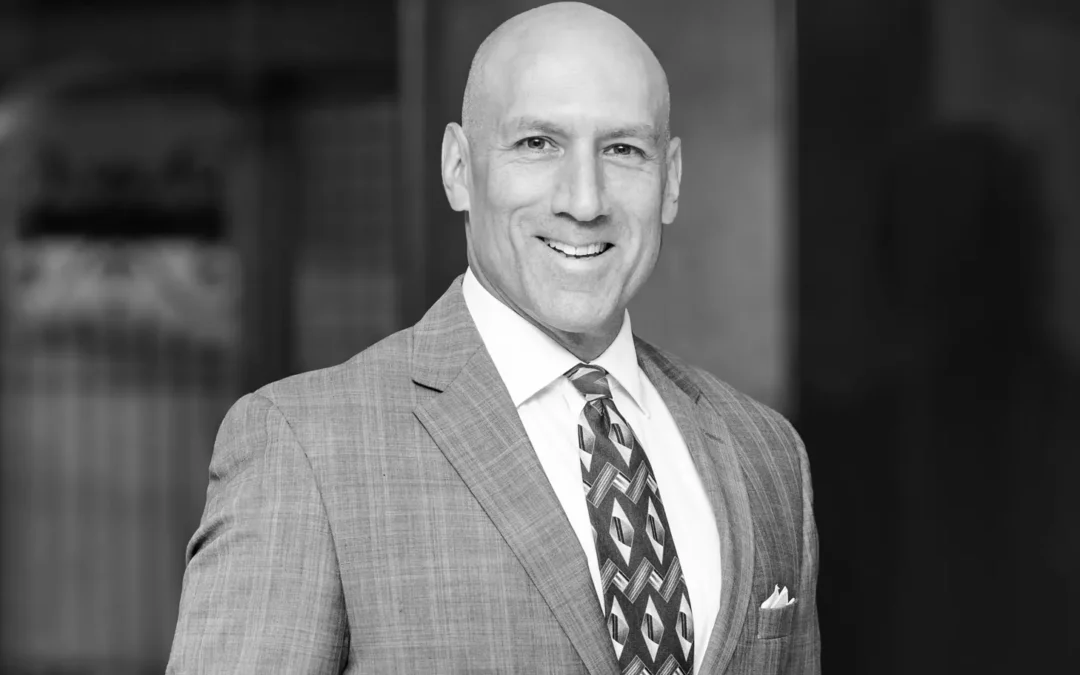
Brett Jenson, ChFC, CFP, CIMA, CBEC, is a founder and private wealth advisor with Method Wealth, based in Salt Lake City, Utah. He is the author of “Blueprint Your Wealth: Managing wealth for entrepreneurs and high-net-worth families in an ever-changing world.”
Mr. Jenson writes that entrepreneurs and high-net-worth families often have limited time to address increasingly complicated financial needs. Working with different professionals at different times can create what he calls “a disconnected, checkerboard effect” in their planning. Total wealth planning, he says, looks at the entire financial picture so the pieces work together toward the client’s goals.
His book offers a comprehensive framework addressing five key areas of concern for affluent families:
- Wealth preservation: Maintaining financial independence and managing investments to support that objective.
- Wealth enhancement: Being smarter and more efficient with money, including through tax mitigation and cash-flow planning.
- Wealth transfer: Creating a smooth transition of assets so they can best benefit the people and things that matter most.
- Wealth protection: Building a “shield” through risk-mitigation strategies, liability assessment, and preparation for unexpected events.
- Charitable giving: Maximizing the impact of charitable giving on the community, favored organizations, and the world at large.
Mr. Jenson summarizes the objective this way: “Having a well-coordinated plan can give you more freedom of time, money, purpose, and relationships. … The ultimate goal of all this work is not just to build a larger net worth. The goal is to build a better life.”