Bull market strength masks growing economic risks
Bull market strength masks growing economic risks

Editor’s note: This article was authored on Oct. 1, 2026. Proactive Advisor Magazine thanks Asbury Research for permission to publish this commentary.
The U.S. economy and stock market continue to display many characteristics of an ongoing expansion, but the underlying picture has become increasingly complicated.
Institutional risk appetite has improved, with technology and semiconductor stocks again outperforming the broader market, while defensive dividend stocks have fallen behind.
Those shifts normally accompany healthy bull markets and confidence in future economic and earnings growth. Yet market participation has deteriorated substantially, while sharply higher long-term interest rates threaten to tighten financial conditions across the economy.
The result is a two-sided environment. Investors are embracing growth-oriented assets again, but that optimism is increasingly concentrated in a relatively small number of large-cap technology companies. Meanwhile, higher borrowing costs are creating a growing headwind for consumers, businesses, and equity valuations.
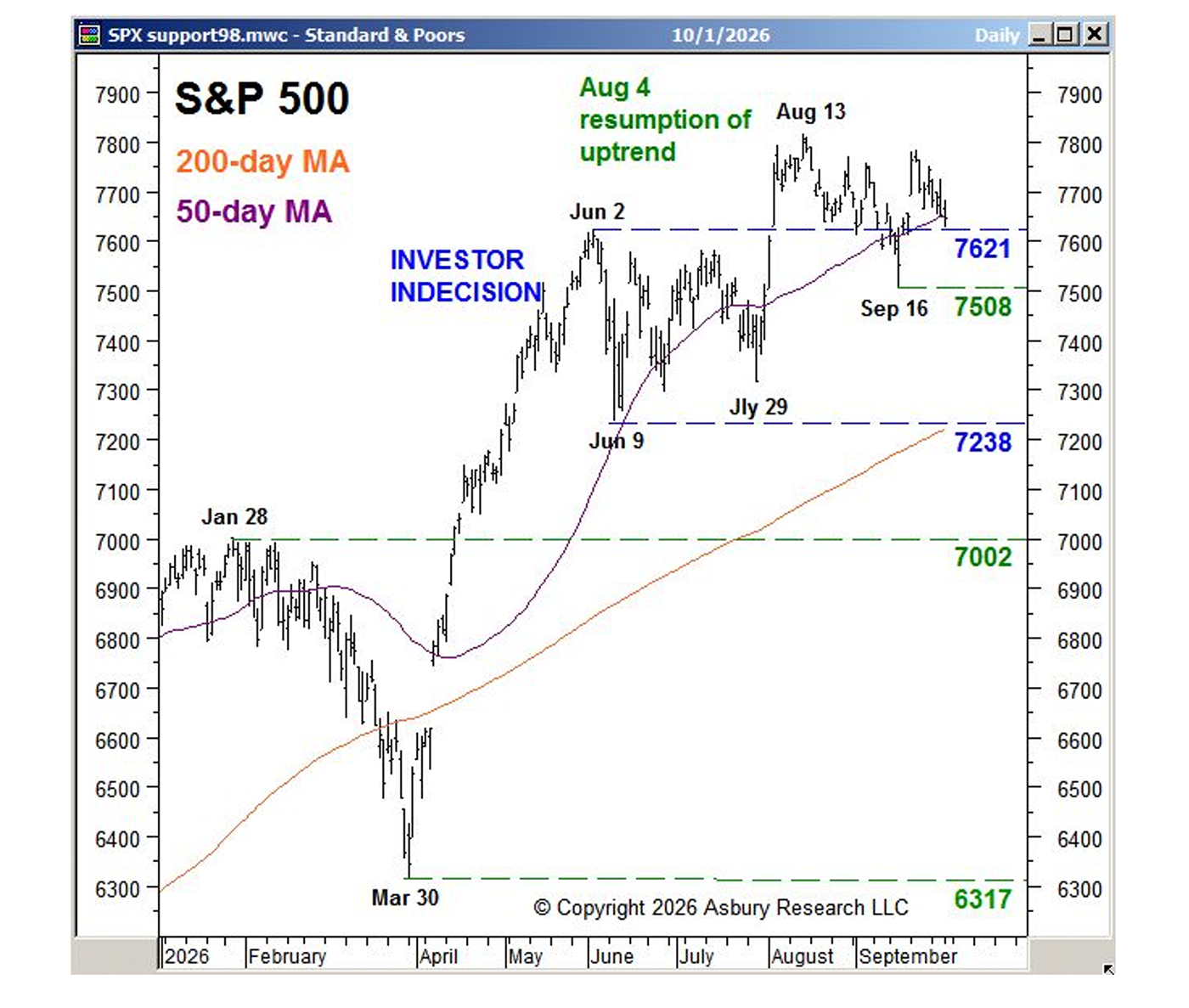
FIGURE 1: THE S&P 500 FACES A CRITICAL TEST
Source: Asbury Research. Data as of 10/1/2026.
The S&P 500 remains in near- and intermediate-term uptrends following its Aug. 4 breakout from 10 weeks of investor indecision. As long as 7,621 holds as underlying support, that breakout continues to project an eventual rise toward 8,000. A sustained decline below 7,621, however, would invalidate that objective and increase the possibility that the August record high marked a more important tactical peak.
For now, subdued volatility argues against assuming a correction has begun. Investor fear remains relatively low, while technology and semiconductor stocks have resumed quarterly outperformance, and dividend stocks have begun underperforming growth. Collectively, those relationships indicate that institutional capital has shifted toward a more aggressive, risk-on posture—normally constructive for equities and expectations for continued economic expansion.
But there is an important qualification: The strength of the major indexes is masking significant deterioration beneath the surface.
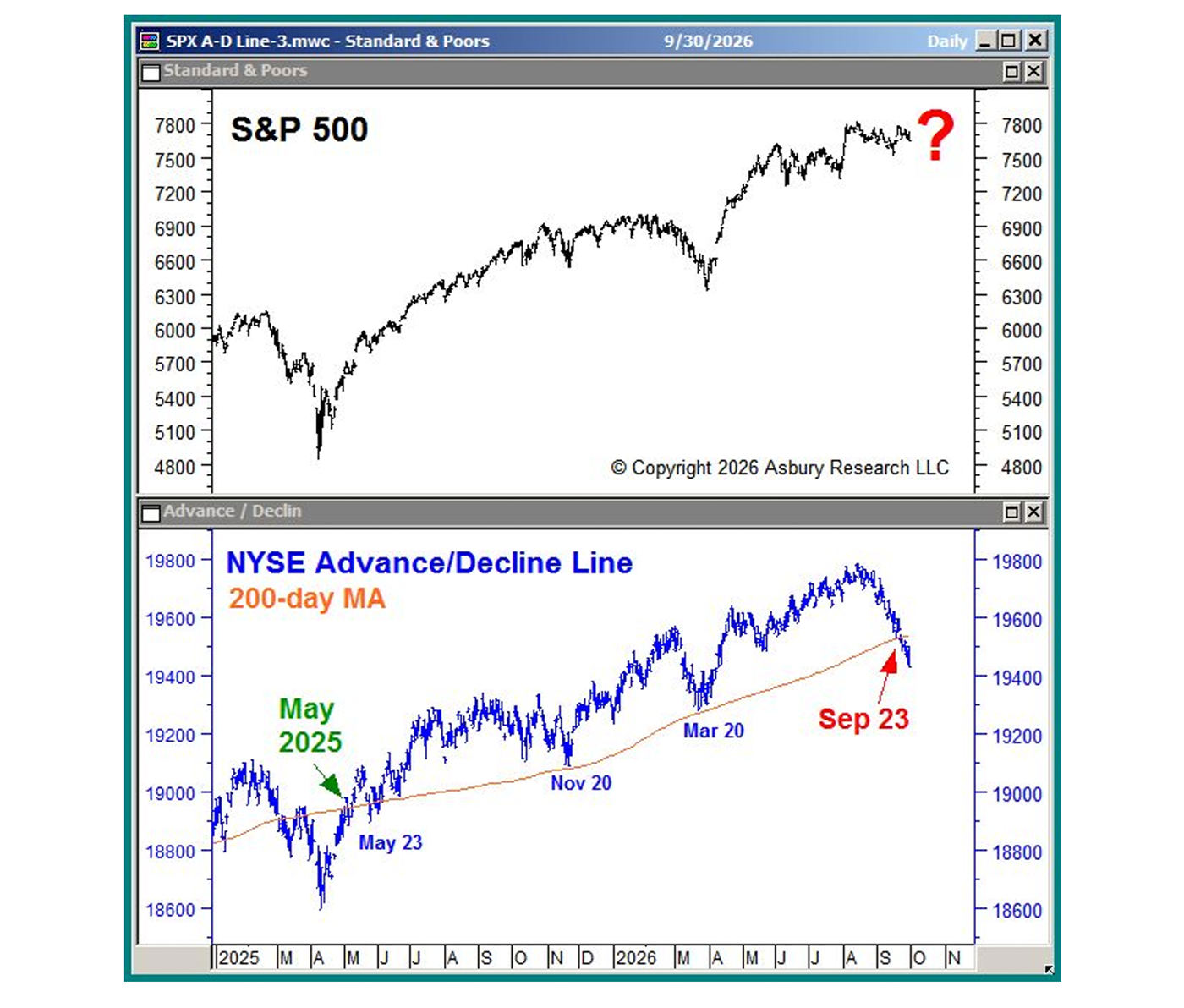
FIGURE 2: MARKET BREADTH IS SENDING A WARNING
Source: Asbury Research. Data as of 9/30/2026.
 Related Article: Q3 earnings outlook builds on a strong second quarter
The NYSE Advance/Decline Line fell below its 200-day moving average in late September after remaining above it since May 2025. More strikingly, 78% of S&P 500 constituents declined during September even though the Index itself lost only about 0.5%.
Microsoft (MSFT), Apple (AAPL), Nvidia (NVDA), and Meta (META)—along with renewed strength in Advanced Micro Devices (AMD) and selected semiconductor stocks—have helped keep the capitalization-weighted indexes near their highs despite much weaker performance among the average stock.
That concentration has broader implications. A healthy, durable bull market typically benefits from participation across industries, company sizes, and sectors. When gains become increasingly dependent on a handful of exceptionally large companies, the major indexes can present an overly optimistic picture of investor confidence and the underlying economic environment.
The lack of broad conviction extends elsewhere. Only seven of 25 international indexes tracked by Asbury Research are outperforming the S&P 500 on a quarterly basis, while small-, mid-, and large-cap U.S. stocks have generally moved sideways relative to the S&P 1500. Together, these trends suggest investors remain uncertain about whether economic growth is poised to accelerate or decelerate.
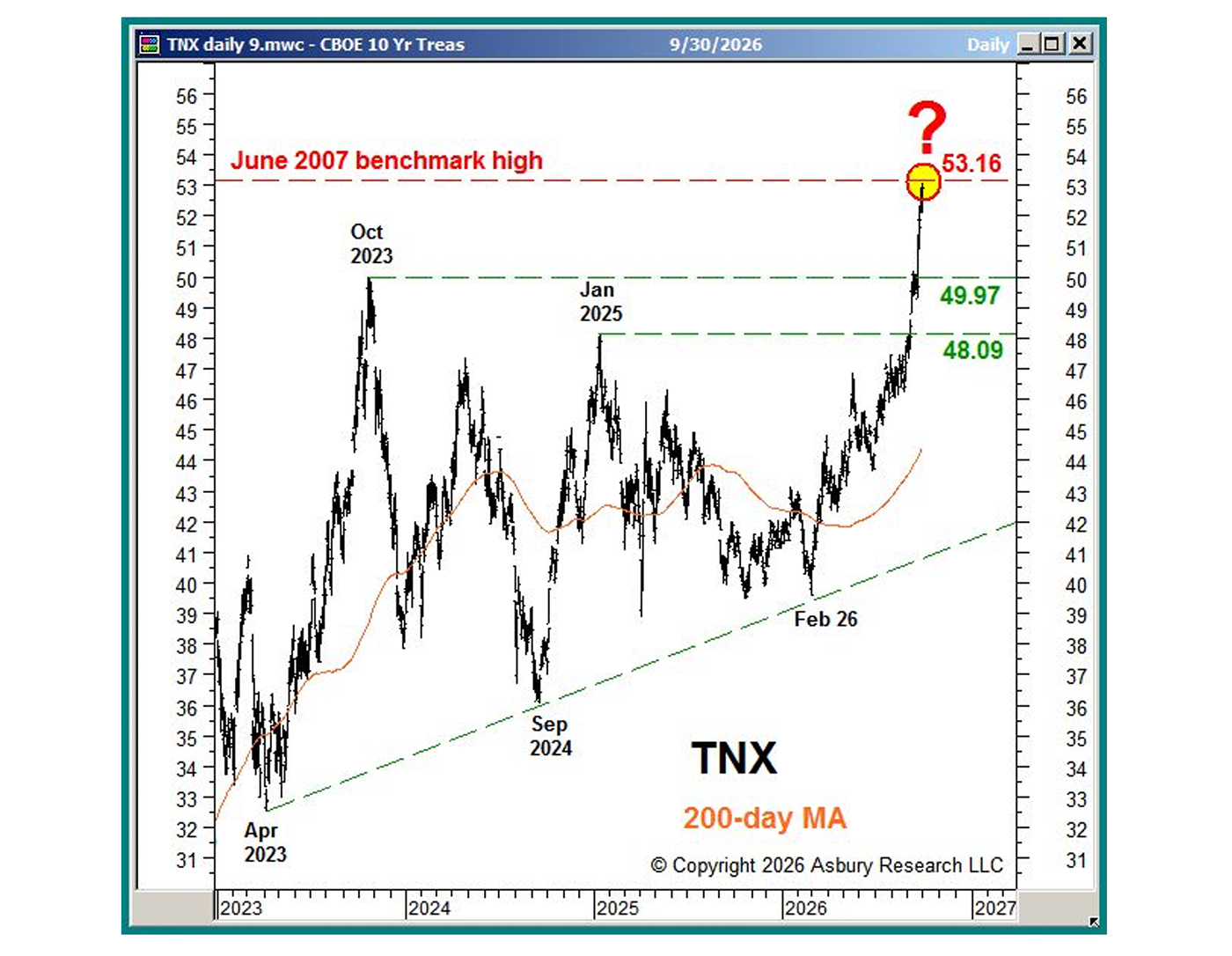
FIGURE 3: RISING TREASURY YIELDS THREATEN FINANCIAL CONDITIONS
Source: Asbury Research. Data as of 9/30/2026.
The 10-year Treasury yield has risen sharply since late February, from approximately 4.13% toward 5.32%, a level last reached in 2007. This rise is associated with increasing inflation expectations evident in several market-based inflation measures.
If sustained, rates at these levels could become an increasingly important economic headwind. Higher Treasury yields raise borrowing costs for consumers and businesses, discourage housing and capital investment, and can ultimately restrain economic growth. They also make bonds more competitive with equities while putting pressure on stock valuations and corporate earnings.
The tension between these forces defines the current investment environment. The market leadership of technology companies and strength in semiconductor stocks, along with subdued volatility, indicates that investors still expect the economic expansion and bull market to continue. But deteriorating breadth and rapidly rising long-term rates suggest that the foundation supporting that optimism is becoming less secure.
For now, the evidence remains consistent with an intact economic expansion and major bull market—but one increasingly dependent on narrow leadership while confronting a potentially significant interest-rate headwind. A healthier extension of the advance would likely require broader market participation and stabilization in long-term interest rates.
The opinions expressed in this article are those of the author and the sources cited and do not necessarily represent the views of Proactive Advisor Magazine. This material is presented for educational purposes only.
 Jack Kosar is vice president of investment strategy and a partner at Asbury Research, where he helps develop the firm’s proprietary technical and quantitative research and rules-based model portfolios. He holds a Master of Science in finance from the Illinois Institute of Technology and previously held investment and financial technology roles at Symetra, Allvue Systems, and Northern Trust. He also contributes to the firm’s Investor’s Business Daily podcasts and Fidelity Investments webinars, helping investors understand technical analysis, market trends, and quantitative strategies. asburyresearch.com
RECENT POSTS